Sepiolite for Environmental Remediation
Nature's Most Effective Pollution Cleanup Mineral
Sepiolite's extraordinary adsorption capacity — among the highest of any natural mineral — makes it an invaluable tool for environmental protection and remediation. From treating industrial wastewater to cleaning up oil spills to remediating contaminated soils, sepiolite captures and immobilises a wide range of pollutants through physical adsorption, ion exchange, and surface complexation mechanisms.
Why Sepiolite for Environmental Remediation
Wastewater Treatment
Sepiolite removes heavy metals (Pb, Cu, Zn, Cd, Cr, Ni), ammonium, phosphate, and organic dyes from industrial effluent. Its high surface area (240 m²/g) and cation exchange capacity enable efficient treatment at lower cost than synthetic resins or activated carbon.
Oil & Chemical Spill Cleanup
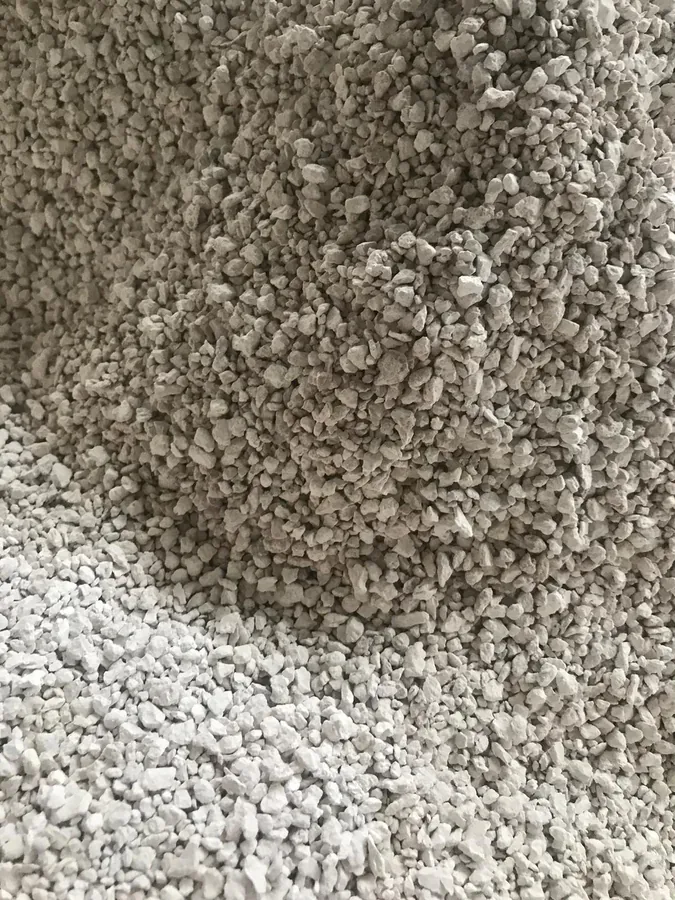
Granulated sepiolite absorbs 4 times its weight in hydrocarbons. Scattered over an oil, diesel, or chemical spill, it encapsulates the liquid within minutes, converting a hazardous puddle into a solid, sweepable mass that can be safely disposed of.
Contaminated Soil Remediation
Sepiolite can be mixed into contaminated soil to immobilise heavy metals and organic pollutants. The mineral's strong binding capacity reduces bioavailability and leachability, preventing contaminant migration into groundwater while the soil ecosystem recovers.
Landfill Liner & Cover
Sepiolite clay is used as a component in landfill liner systems and intermediate cover layers. It provides low permeability, good compaction characteristics, and metal-binding capacity that reduces leachate toxicity.
Air Purification
Sepiolite-based filter media adsorb volatile organic compounds (VOCs), ammonia, hydrogen sulphide, and other malodorous gases from industrial exhausts and building ventilation systems. It offers a natural alternative to activated carbon with lower cost and easier regeneration.
Sustainable & Regenerable
Unlike many synthetic treatment media, spent sepiolite can often be regenerated through thermal treatment at 250–400°C, restoring 80–90% of its original adsorption capacity. Even non-regenerated sepiolite can be safely landfilled as an inert mineral waste.
From Mine to Your Application
Grade Matching
Different remediation applications require different particle sizes and surface treatments. We match the optimal sepiolite grade to each specific pollutant and treatment method.
Custom Activation
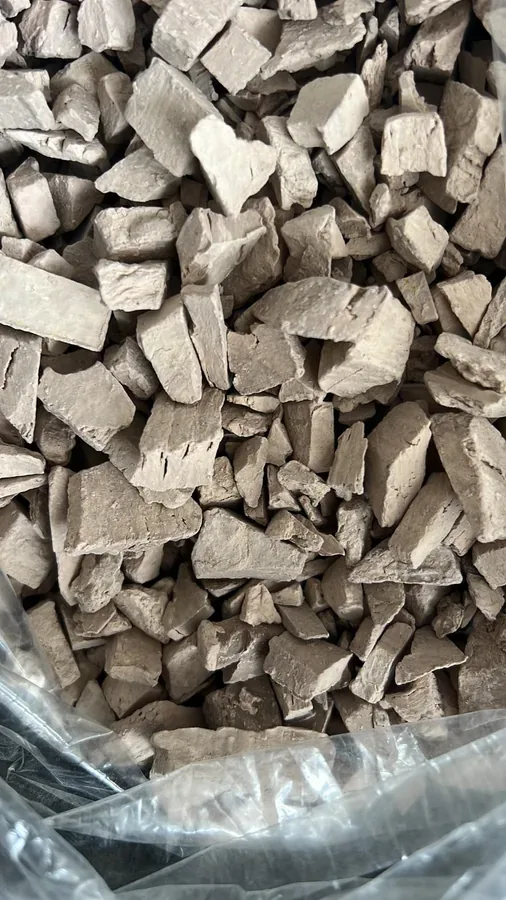
For maximum adsorption, sepiolite can be acid-activated or thermally treated to increase surface area and pore volume. We offer both natural and activated grades.
Application Design
Our environmental engineers help design treatment systems — from simple batch adsorption tanks to continuous packed-bed columns — tailored to your waste stream characteristics.
Pilot Testing
We provide sample quantities for laboratory and pilot-scale testing, along with isotherm and kinetic modelling support to predict full-scale performance.
Supply & Disposal Guidance
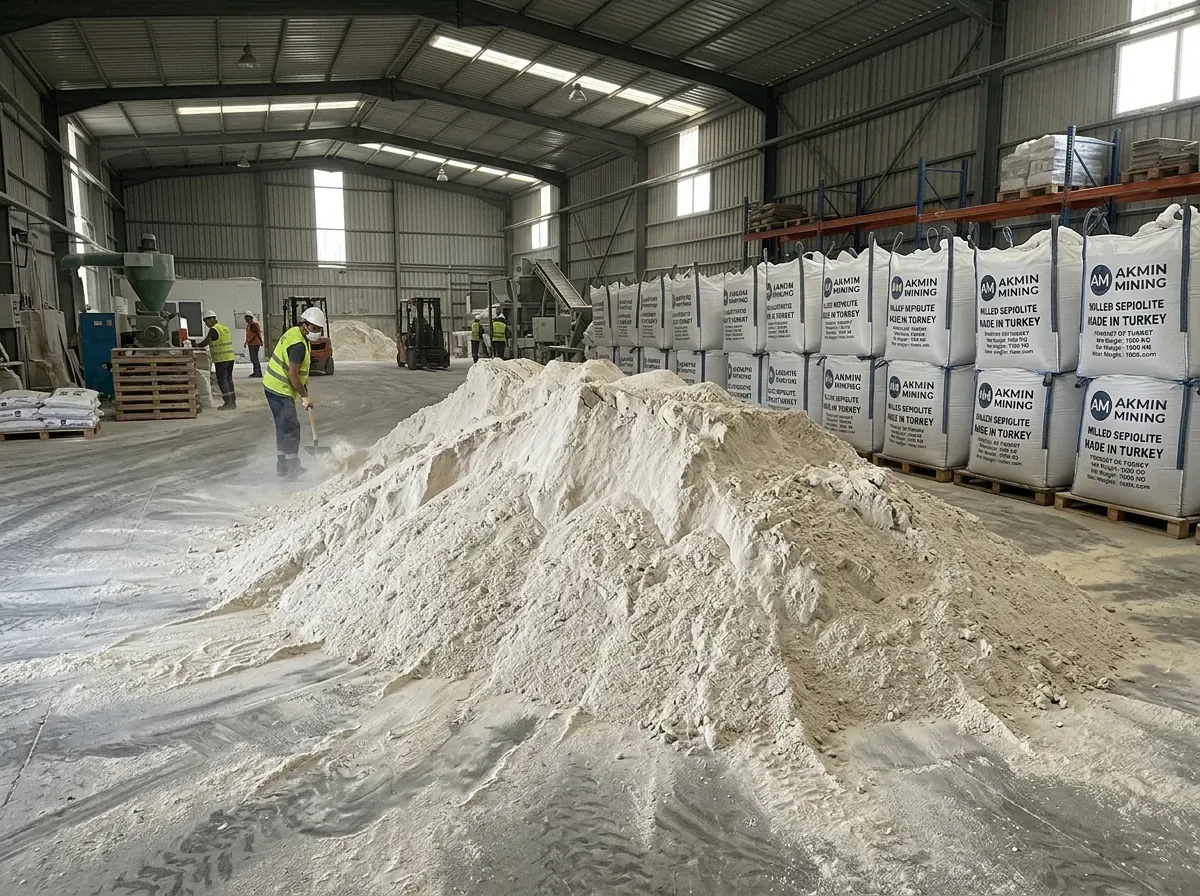
We supply in 25kg bags or 1t big bags and can advise on spent media disposal regulations in your jurisdiction.
Typical Specifications
| Parameter | Value |
|---|---|
| Specific Surface Area | 220–240 m²/g (BET) |
| Cation Exchange Capacity | 20–30 meq/100g |
| Oil Absorption | ≥ 400% by weight |
| Water Absorption | ≥ 150% by weight |
| Heavy Metal Removal | Pb: >95%, Cu: >90%, Zn: >85% |
| Particle Sizes | 0.5–2mm / 2–5mm / powder |
| Packaging | 25kg bags / 1t big bags |
Frequently Asked Questions
For heavy metal removal, sepiolite outperforms activated carbon because metals bind through ion exchange, not just surface adsorption. For organic pollutants, activated carbon generally has higher capacity, but sepiolite is 3–5 times cheaper per tonne and can handle mixed metal-organic waste streams effectively.
Research shows sepiolite has moderate adsorption capacity for PFAS compounds, particularly when surface-modified with cationic surfactants. While not as effective as granular activated carbon for PFAS specifically, modified sepiolite is a promising low-cost option for pre-treatment stages.
This depends on the concentration of adsorbed pollutants and local regulations. If the spent sepiolite passes TCLP leachate testing, it is typically classified as non-hazardous and can be landfilled. Heavily loaded material may require stabilisation before disposal.
Contact our technical team with your waste stream composition, flow rate, and treatment targets. We provide isotherm testing on your actual effluent, kinetic modelling, and column design calculations. Typical contact times are 30–60 minutes for heavy metal removal.
Sepiolite shows strong affinity for caesium and strontium ions, making it a candidate for low-level radioactive waste treatment. Several research programmes are evaluating sepiolite as a barrier material for nuclear waste repositories. Contact us for technical literature.
Ready to Explore Sepiolite for Your Application?
Our technical team provides samples, specifications, and formulation guidance tailored to your industry needs.