Sepiolite for Agriculture
Enhancing Soil Health & Crop Yields Naturally
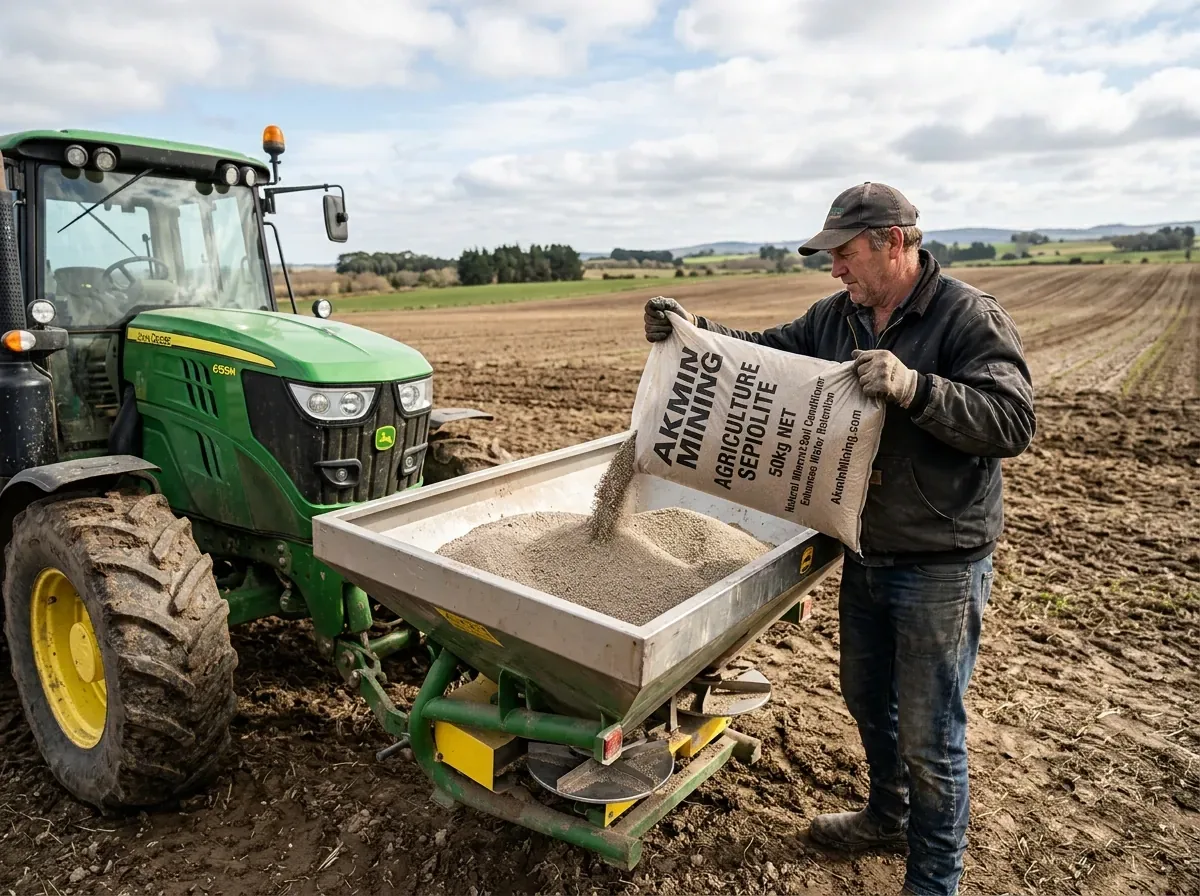
Sepiolite is transforming modern agriculture as a natural soil conditioner, fertiliser carrier, and plant growth enhancer. Its unique microporous structure retains moisture in sandy soils, delivers nutrients gradually through controlled release, and improves soil aeration — all while being 100% natural and compatible with organic farming standards.
Why Sepiolite for Agriculture
Water Retention & Drought Resistance
Sepiolite's fibrous channels hold water molecules and release them slowly as the surrounding soil dries. Field trials show 25–30% reduction in irrigation requirements in sandy and loamy soils, making sepiolite invaluable in water-scarce agricultural regions worldwide.
Slow-Release Fertiliser Carrier
When loaded with NPK fertilisers, urea, or micronutrients, sepiolite acts as a controlled-release matrix. Nutrients are adsorbed into the pore structure and released gradually over 4–8 weeks, reducing leaching losses by up to 40% and improving nitrogen use efficiency.
Pesticide & Herbicide Carrier
Sepiolite granules serve as an ideal carrier for solid and liquid agrochemicals. The mineral holds active ingredients uniformly, prevents clumping during storage, improves flowability in spreaders, and enables even field distribution with reduced drift.
Soil Structure Improvement
Mixed into heavy clay soils, sepiolite's fibrous particles create macropores that improve drainage and root penetration. In sandy soils, it increases water-holding capacity. The result is better root development, improved aeration, and healthier soil biology.
Seed Coating & Pelleting
Sepiolite powder is used as a binder and filler in seed coating operations. It provides a uniform coating layer that protects seeds during handling and planting, delivers fungicides or inoculants in direct contact with the seed, and improves singulation in precision planters.
Animal Feed Additive
Food-grade sepiolite is used as a flow agent, anti-caking additive, and mycotoxin binder in compound animal feeds. It prevents feed bridging in silos, improves pellet quality, and can bind aflatoxins in the gut, protecting livestock health.
From Mine to Your Application
Ore Selection
We select low-iron, high-purity sepiolite seams specifically suited for agricultural applications where soil and plant compatibility is critical.
Drying & Grinding
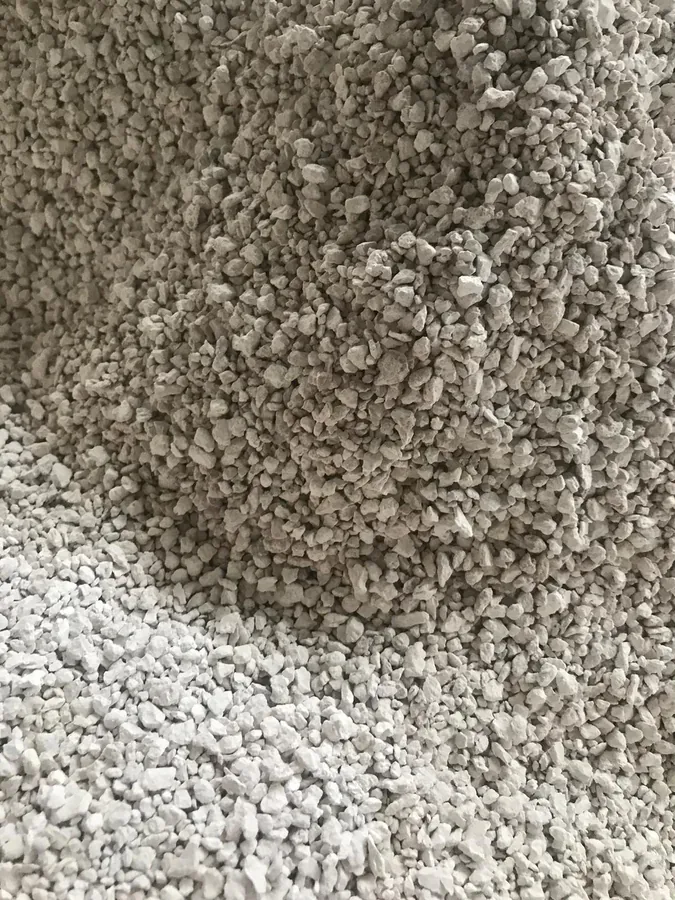
The ore is dried to optimal moisture and ground to agricultural-grade particle sizes — typically 0.1–2mm for soil amendment or sub-200 micron for carriers.
Nutrient Loading (if applicable)
For pre-loaded fertiliser carriers, the sepiolite is mixed with specified nutrients under controlled conditions to achieve target loading rates.
Quality Assurance
Every batch is tested for heavy metal content, pH, particle size distribution, moisture, and absorption capacity to meet agricultural safety standards.
Packaging & Delivery
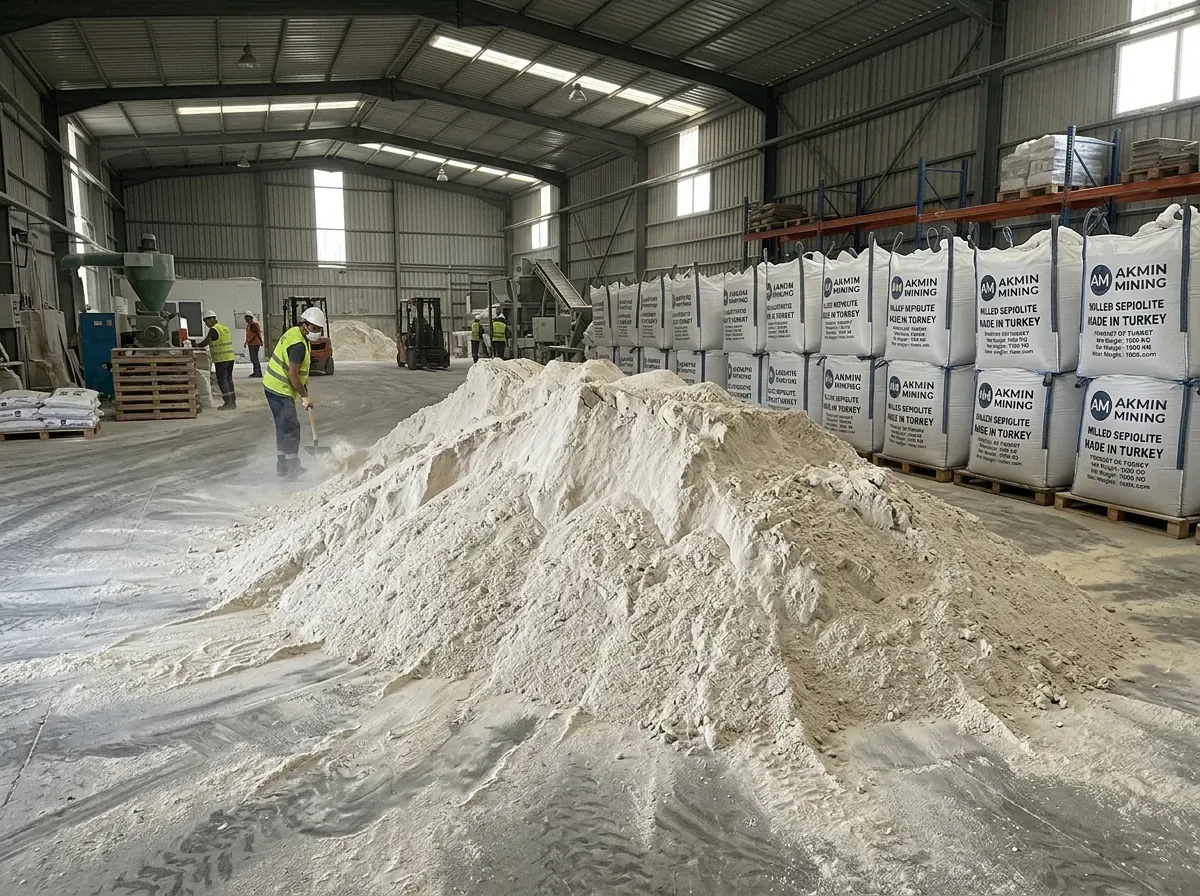
Available in 25kg bags, 1-tonne big bags, or loose bulk. Shipped FOB Port of Mersin or Samsun Port, Turkey.
Typical Specifications
| Parameter | Value |
|---|---|
| Purity | ≥ 90% sepiolite |
| Particle Size | 0.1–2mm (soil) / <200µm (carrier) |
| pH | 7.0–8.5 |
| Water Absorption | ≥ 120% by weight |
| Heavy Metals | Below EU agricultural limits |
| Organic Compatible | Yes (natural mineral, no additives) |
| Packaging | 25kg bags / 1t big bags / bulk |
Frequently Asked Questions
Sepiolite is a naturally occurring mineral with no chemical modifications. It is permitted under most organic farming certification bodies including EU Organic, USDA NOP, and various national programmes. We can provide certificates of compliance upon request.
Application rates vary by soil type and purpose. As a soil conditioner, typical rates are 2–5 tonnes per hectare mixed into the top 20cm. As a fertiliser carrier, rates follow the nutrient application plan — typically 200–500 kg/ha of loaded sepiolite per application.
Sepiolite has a neutral to slightly alkaline pH (7.0–8.5). In most soils, the small application volumes have negligible impact on pH. In acidic soils, it may provide a mild liming effect which is generally beneficial for crop growth.
In many applications, yes. Sepiolite offers superior water retention compared to perlite and is more cost-effective than vermiculite for large-scale agricultural use. It is particularly advantageous in greenhouse media and container growing operations.
All crops benefit, but the most dramatic improvements are seen in water-stressed crops (cereals, olives, vineyards), container-grown nursery stock, and high-value vegetables where precise nutrient delivery increases both yield and quality.
Ready to Explore Sepiolite for Your Application?
Our technical team provides samples, specifications, and formulation guidance tailored to your industry needs.